Technical art skills facilitate performant, visually cohesive and readable games. I Utilize game engine data to enhance feedback systems, improve environment readability, and add texture detail. I also design and develop tools to quickly create optimized procedural detail.
Before adding features, I perform controlled tests, measure performance costs and project the data to estimate costs based on the project scope.
BY PROJECT
[2026] Sacrisigil | Game
Gameplay reactive shaders
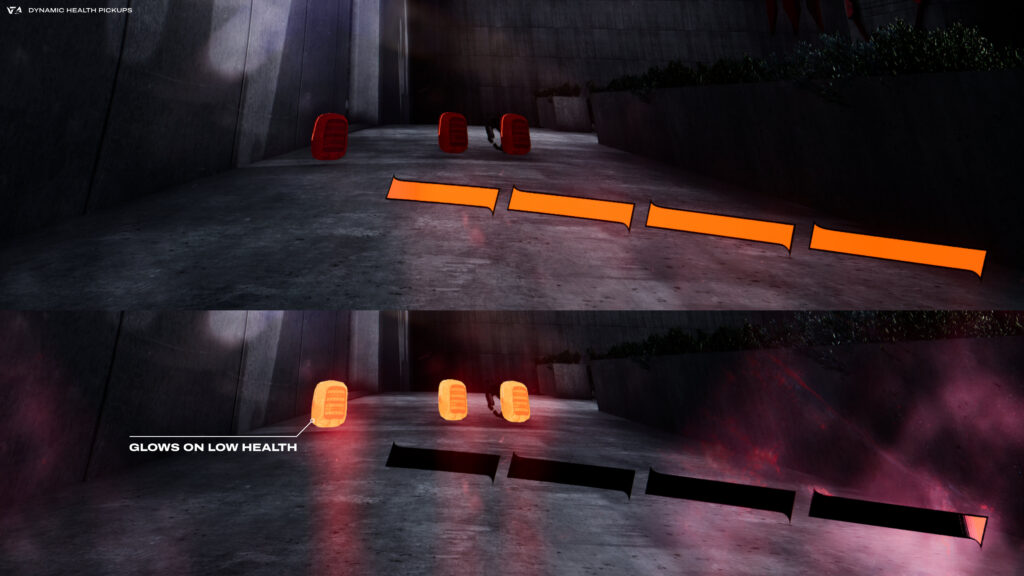
Low health post process
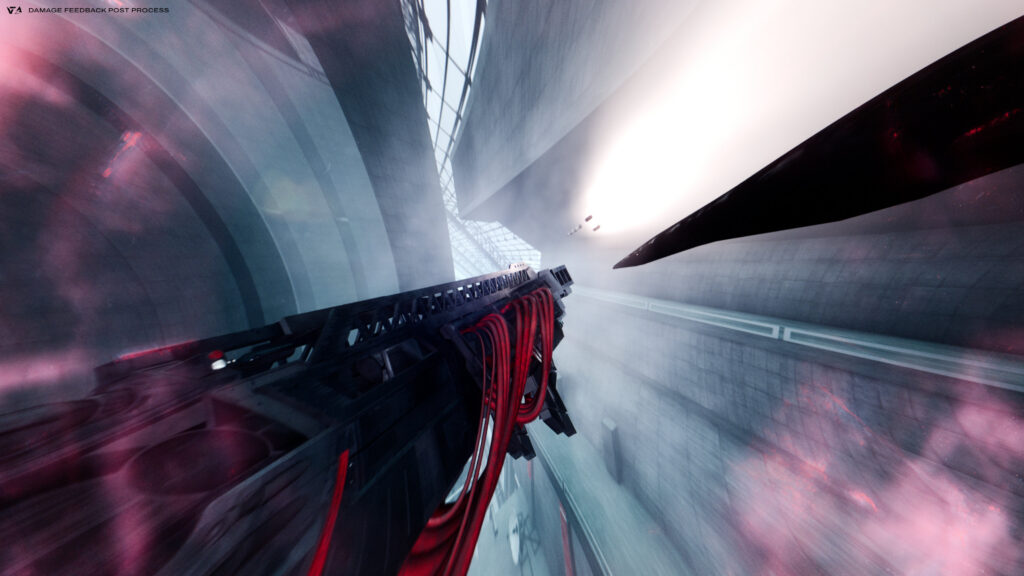
Procedural foliage
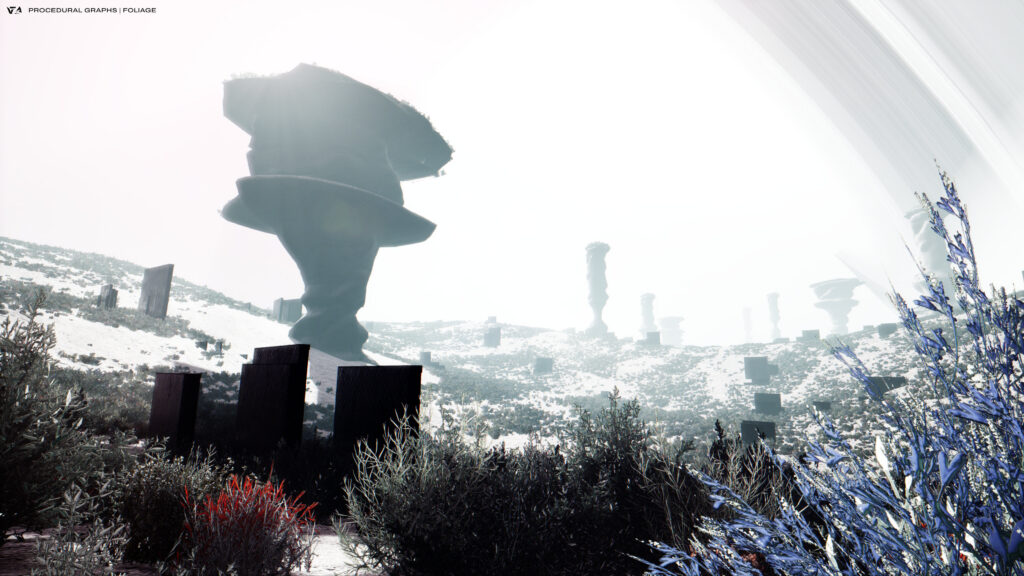
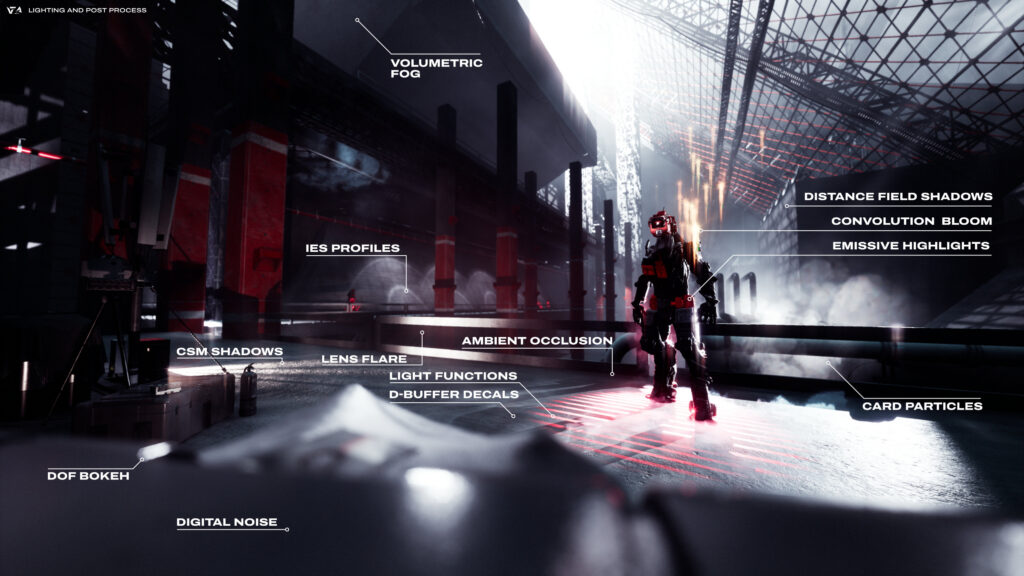
Cinematic rendering (for promotion)
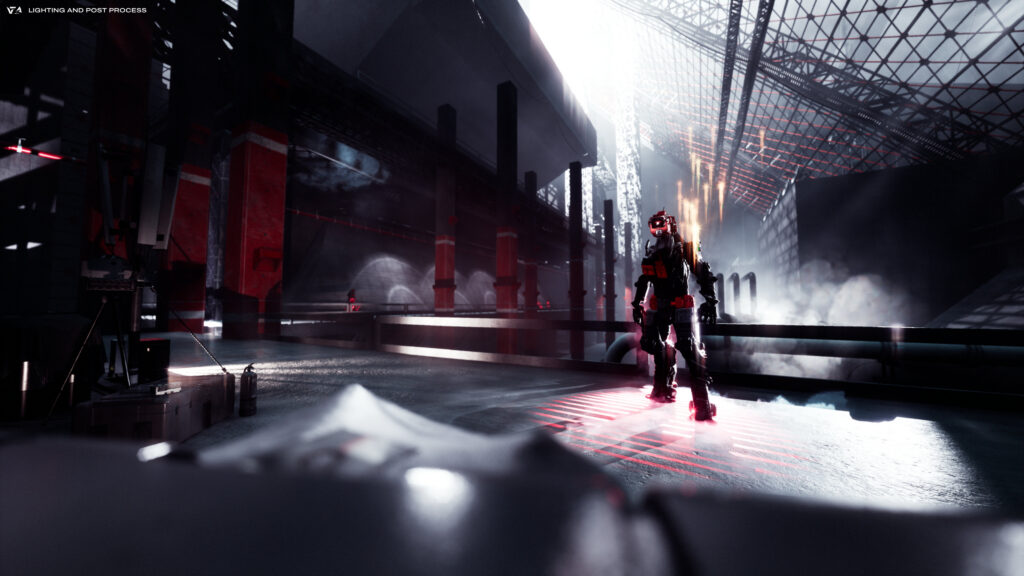
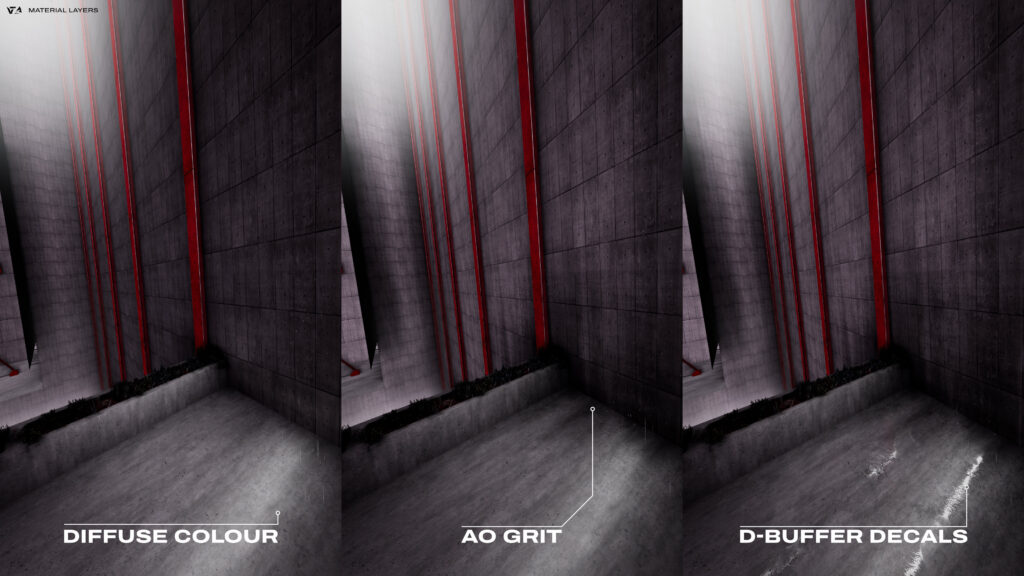
Distance field grit and D-buffer decals
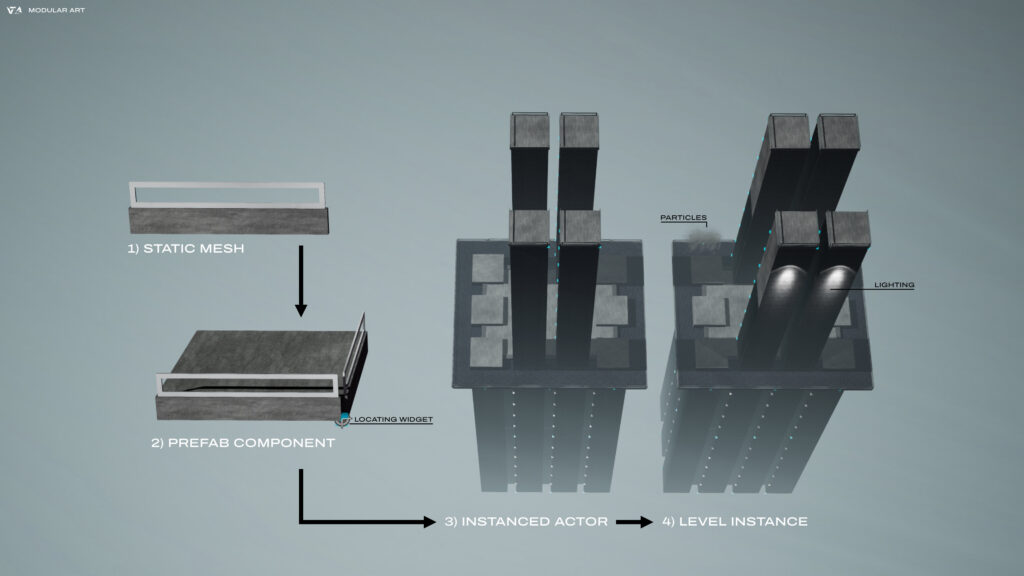
Modular kit tools and instancing
Focus areas
- Final vision cohesion (post process, reactive materials, volumetrics, colour grading, d-buffer decals)
- Data-driven materials (LOD distance, distance fields)
- Art tools (Spline layout tools, procedural scattering, procedural dev textures)
- Rendering optimisations (APIs, real-time and baked lighting techniques, rendering pipeline, instancing, batching)
[2025] Angel Cleaver | Game
Light function masks
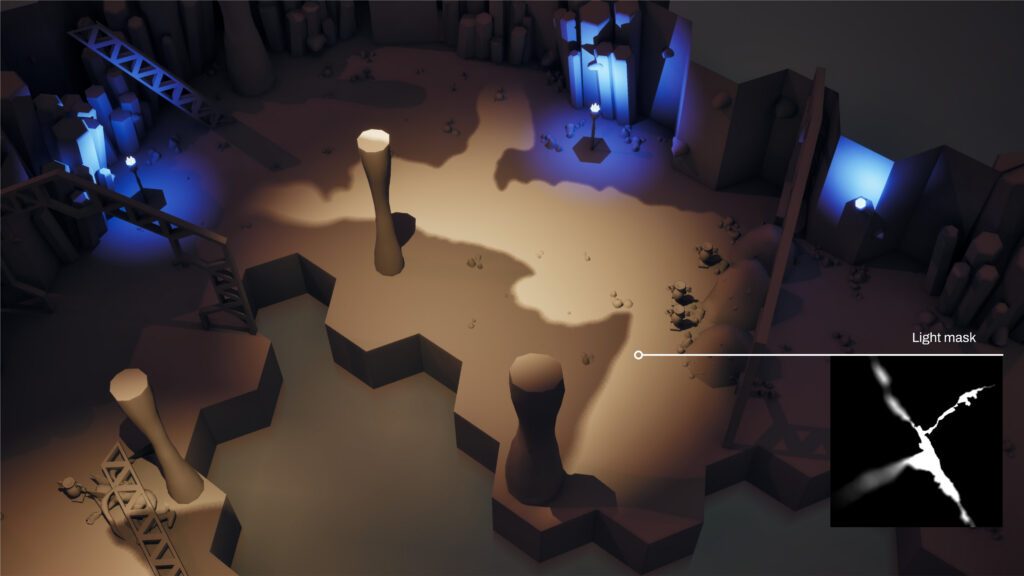
Lighting only vs textured
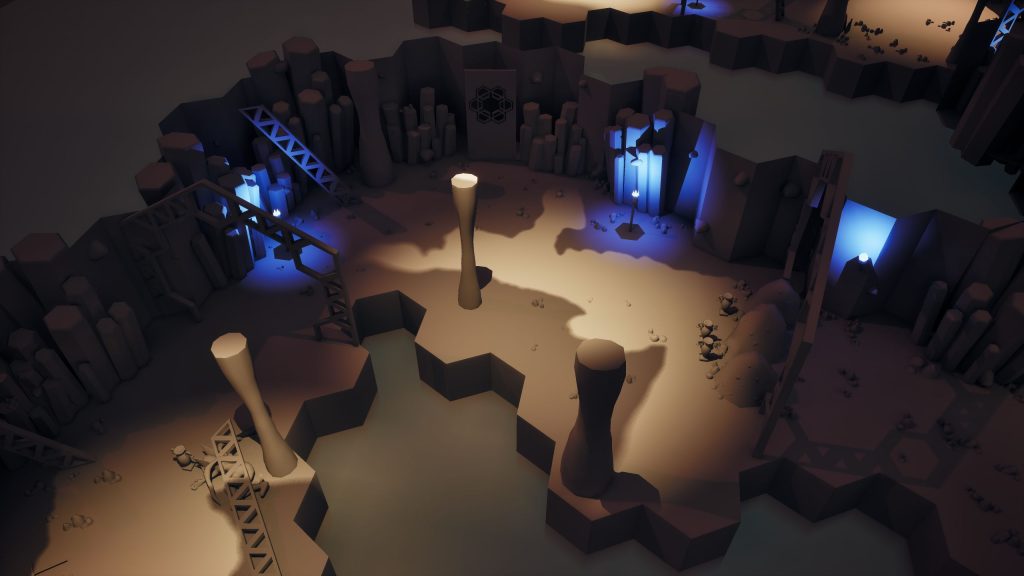
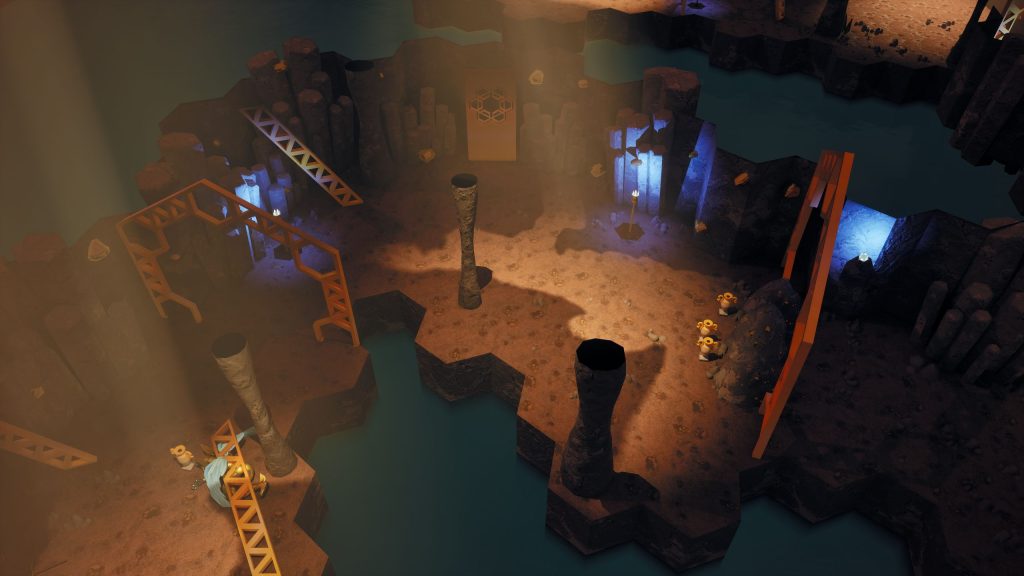
Volumetrics
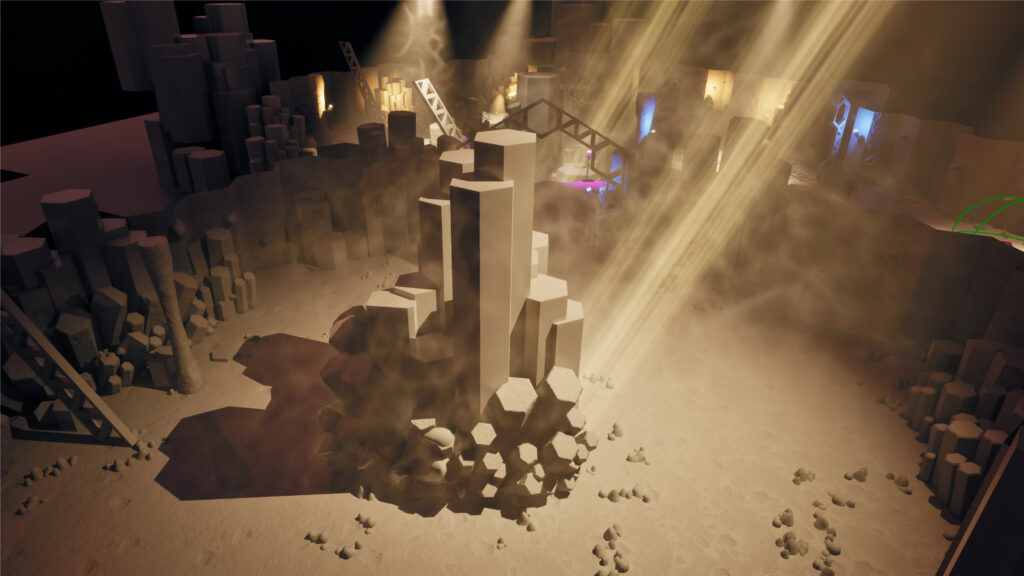
Focus areas
- Volumetrics
- Lighting
Credits
Nyx Cydot | Design
Connor Mackenzie | Design
Bradley Keddie | Programming
Sergio Warda | Character Art
Bailey Annetts | Level Art
Lucas Velasquez | Animation and VFX
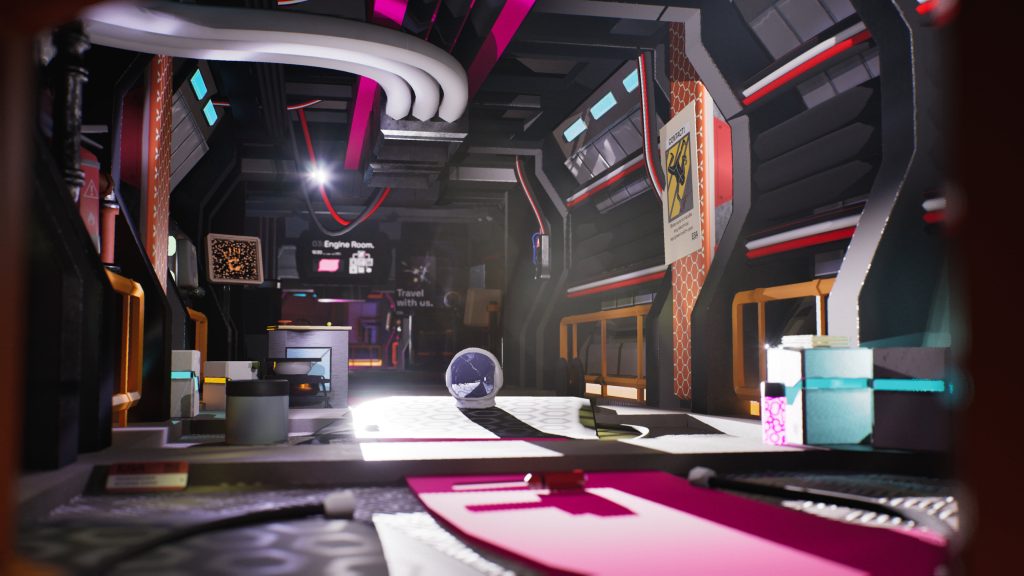
[2024] Orbit | Game
Light functions
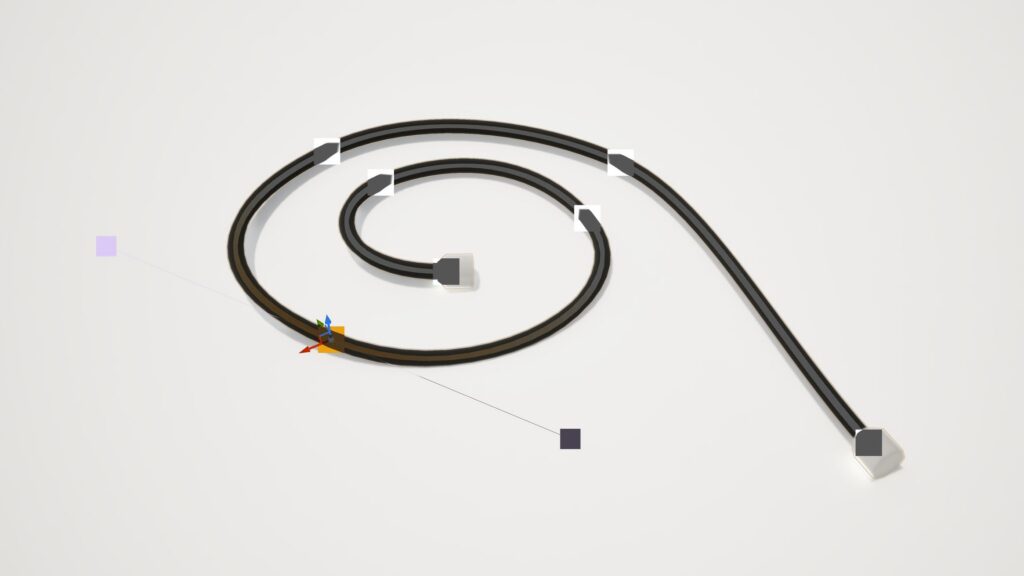
Spline cable creation tool
Promotional render
Credits
Nyx Cydot | Design
Connor Mackenzie | Design
Bradley Keddie | Programming
Oscar Schwerin | Hero props
Bailey Annetts | Level Art
Lucas Velasquez | Props
Future goals in tech art
In the future, I aim to
- Create more complex procedural generation graphs
- Utilise HLOD generation for better drawcall performance
- Explore different relief mapping techniques
- Learn lighting in specialized engines for rendered and real-time productions